Nitrous oxide is bluntly ruthless when it is maltreated. I have seen kitchens lose a week's prep to a split siphon gasket, and event teams clamber because a dog crate of Nang Canisters sat in full sunlight for half a day. The compound is secure when appreciated, unstable when overlooked. This guide folds up tough practice right into clear scientific research, so you can keep, relocate, and make use of Nang Cylinders securely and naturally, whether you run a café, a patisserie, a mobile food catering van, or a celebration supply business. The risks are simple: item quality, property durability, and people's safety.
What's inside the steel
A Nang Cylinder, Nang Canister, or Nang Container is a pressure vessel consisting of laughing gas, N2O, normally as a melted gas under its own vapor stress. At space temperature, most of what's within is fluid with a vapor space set down over it. Unlike air, the stress because headspace is not a feature of how much gas you've drained, it is driven by temperature. That information underpins nearly every storage space and managing guideline.
Think of vapor stress as the gas's insistence on occupying space. Boost temperature level, which insistence expands. Trendy it, and the pressure softens. In useful terms, a Nang Storage tank resting at 20 to 22 degrees Celsius will read in the ball park of 50 to 60 bar. At 35 levels, you are edging toward the upper limits stamped on numerous little containers and halfway decent worrying larger cyndrical tubes. Below absolutely no, stress downturns, regulators freeze, and performance craters.
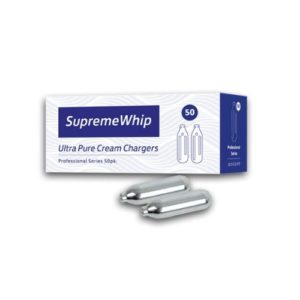
The products matter also. Food-grade N2O utilized in culinary Nang Cylinders is normally filtered to eliminate oily deposits and sulfur substances, and the vessels are crafted for repeated fill-and-draw cycles. The tiniest Nang Canisters sold for lotion siphons are meant for solitary usage and has to never ever be re-filled. Larger Nang Tanks are refillable however just by certified fillers that hydrostatically test and recertify cyndrical tubes on a timetable. In Melbourne, reliable distributors mark examination dates plainly and will certainly decline a trade-in on an out-of-test cylinder. That is not red tape. It is life safety.
The temperature home window that keeps you out of trouble
If you desire one trustworthy policy for storage space temperature, use this: maintain Nang Tanks and Nang Canisters in between 5 and 25 levels Celsius in a stable, shaded area with modest ventilation. That is the pleasant spot where:
- The inner pressure continues to be convenient for regulators and fittings. Rubber seals and O-rings do not solidify from cold or soften from heat. The gas leaves the cyndrical tube without extreme chilling that can ice a valve. Cream whipping and mixture efficiency corresponds from morning to close.
Colder than 5 degrees is not an instant threat, yet you trade safety and security margin for functional frustrations. Draw a fast shot from a cool cylinder, and Joule-Thomson cooling can go down temperature levels at the shutoff below cold, icing the stem and trapping the regulatory authority. I as soon as enjoyed a younger pastry chef panic when a regulatory authority frosted over, persuaded it was mosting likely to take off. It was not, however it took a client ten mins on the bench for the frost to thaw and the regulatory authority to release.
Hotter than 25 levels presses pressure up. At 30 to 35 degrees, you come close to the maximum solution pressure of numerous small Nang Canisters. Metal fatigues quicker in warmth. Elastomer seals age quicker. And the risk of a stress relief tool training on a larger Nang Cylinder increases, particularly if it beings in stationary air without ventilation. Sunlit vans, tin-roofed sheds, and mezzanine storage above ovens are the most awful offenders.
For kitchen areas in Australia, summertime is not mild. If you run Nang Tanks Melbourne side, presume your ambient swings greater than you expect and take the storage space guidance seriously. Do not store Nang Cylinders Melbourne supply spaces near skylights or in carrier cages by rear filling anchors that catch afternoon sun. A small temperature level logger costs less than a solitary squandered service.
Good storage space looks and feel
Walk your storage area and count on your detects. Heat, light, and messy shelves narrate. You do not need a lab to obtain this right, just self-control and a few pieces of kit.

Stable, shaded, aerated. Those three words fix most problems. A great concrete floor, an inner wall surface away from straight sunlight, a louver or follower for air flow. I prefer lower racks or a cradle on the floor for bigger Nang Tanks. The top rack feels clean until somebody gets to overhanging, slips, and drops a container onto a stainless edge. You do not wish to bet a lifecycle on that particular impact.
Secure yet not entombed. Cylinders must be restrained so they can not fall, especially in earthquake-prone regions or in hectic stockrooms. A chain loophole or a strap keeps a tall container upright without securing it so hard that you distort the shoulder. Small Nang Canisters shop best in the supplier's box, separators undamaged, box shut, and oriented valve-up. Open trays invite dirt and stray moisture.
Keep far from ignition sources. Laughing gas is an oxidizer. It does not shed, however it feeds burning aggressively. You do not park it alongside pilot burner, deep fryer flues, or electric switchboards. In practice, I maintain a one-meter buffer around Nang Cylinders and store flammable solvents on a different wall entirely.
Mind the weight. A complete 8 to 10 liter Nang Tank can tip past 12 to 15 kgs depending upon fill. Most people can raise that safely at upper body elevation, fewer can do it securely overhanging, and practically nobody ought to bring it one-handed up a ladder. Utilize a cart when you can. If you have to move it by hand, 2 points of contact and no twisting.
Why stress climbs with warm, and why that matters
If you wish to predict actions, it pays to understand what is going on inside the steel. Nitrous oxide in a cylinder exists in 2 phases: fluid and vapor. As long as there is liquid existing, the pressure you check out is the saturation vapor pressure at that temperature level. Draw some gas, the fluid flashes to vapor to replace it, the stress stays virtually the exact same, and the cyndrical tube cools due to the fact that evaporation calls for heat.
On a hot day, the entire system starts from a higher baseline. The pressure relief device, often a burst disk on smaller sized cyndrical tubes or a relief valve on larger ones, is adjusted to avoid tear if the temperature spikes. These tools are a last resort. If they raise, you may air vent a portion of the cylinder's components. A tiny store can loaded with an oxidizing cloud that remains. That is disruptive at ideal and risky if you have active flames nearby.
Pressure likewise penalizes weak points. Low-cost, off-brand battery chargers occasionally use thinner steel or irregular seals. The failing mode in my experience is not Hollywood remarkable. It presents as a sticky shutoff that will certainly not seat totally, a hiss you can barely hear till a silent space betrays it, or a regulatory authority that creeps after setpoint. All 3 are intensified by warm storage space. It is one reason I steer business clients to trustworthy Nang Tanks Melbourne suppliers with clear documentation.
Moisture, chilly, and the freeze that catches you out
You feel it initially as a bite in the fingertips when you crack a valve. N2O leaves the storage tank, broadens, and cools quickly. The shutoff and connected metal chill with it. If the cyndrical tube started chilly or the air is humid, condensation types and afterwards freezes. Crystalline frost can secure a handwheel, seize a quick-connect, or provide a gauge unreadable. Draw hard and you will tear an O-ring.
There are 2 tools here: perseverance and preparation. Attract smaller sized ruptureds when ambient is cool, and give the hardware a beat to warm in between attracts. Maintain a cotton towel or chamois near your filling station and dry fittings prior to storage. Do not try to "cozy" a frosted regulator with a heat gun or area it under warm water. You are piling thermal tension on metal designed for consistent temperatures. Let time do the work.
I have actually additionally seen operators cover shutoffs with foam pipeline lagging in wintertime, assuming they are smart. That catches dampness and corrupts your analysis of what the equipment is doing. Much better to take care of ambient temperature level and draw method than to mummify parts.
Where cooking areas and occasion teams go wrong
Patterns repeat. The very same errors appear in pastry laboratories, bars, and providing vans. The fixes are unglamorous, but they work.
Leaving cylinders in automobiles. A Melbourne summertime can press a van indoor past 50 levels. A Nang Cyndrical tube that rode shotgun for an hour can be also warm to touch barehanded. If you run mobile events, strategy logistics so cylinders show up as near to solution time as practical and traveling under blankets or in shielded dog crates. Constantly unload to color at stops. I have actually reversed deliveries instead of hand over hot tanks to clients that would certainly demand "cooling them inside." That insistence is a warning for inadequate practice.
Storing near heavy steam. It looks harmless to tuck cylinders on a rack over a dishwashing machine. The constant cycling of warm and dampness breathes into cardboard and oxidizes steel. You will see light corrosion rings at the base of containers in a month. A supplier can tell that tale at a look, and they will not accept those returns.
Ignoring alleviation clearances. Larger Nang Tanks need room above the alleviation tool. I when checked out a bar where an enterprising contractor boxed in a cyndrical tube under the counter for aesthetics. The alleviation was three finger-widths from chipboard. If the tool had actually lifted, it would have pressurized a tiny wooden cavern with an oxidizer. A basic louvered door and a 10-centimeter clearance fix would have fixed it.
Tossing invested canisters loose. Spent means vacant of pressure, not inert. Recurring N2O and oil can spend time, and a warped nozzle can snag and leak. Use closed containers for disposal, keep them dry, and follow regional reusing policies. In Melbourne, numerous councils accept little steel cylinders for metal recycling, given they are fully spent and gotten or boxed. Examine local support, do not guess.
Regulators, valves, and the peaceful art of not cross-threading
Most occurrences I have actually seen start at the interface between cylinder and individual hardware. Strings are a language. Treat them kindly.
Always hand beginning strings. Handwear covers help your grasp, but they can numb your feeling. Use fingertips to really feel the initial rotation. If the link stands up to, quit. Examine for burrs or harmed threads, do not compel it. Cross-threading at pressure is a costly error. Regulatory authorities are not low-cost, and a racked up shutoff seat will hiss forever.
Check gaskets and O-rings. A hairline split can be unseen till it stops working under stress. Keep a tiny kit of replacements in a classified box, not stuffed into a drawer. It is the tiniest spend in the system and the most significant take advantage of on safety.
Set regulatory authorities slowly. Open up the cyndrical tube valve totally, then bring the regulatory authority approximately the functioning pressure you need. A lot of cooking area uses are reduced flow. You do not need to bang stress to the moon. A regulated collection avoids chilly shock to the downstream tube and device.
Close in the right order. Close the cyndrical tube shutoff first. Hemorrhage the line with a controlled downstream vent. Back off the regulator adjustment knob to loosen up the springtime. That practice adds years to the regulatory authority and keeps seals happier.
Transporting Nang Tanks without drama
Moving pressure vessels is not unique, but it does demand intent. The moment an automobile is entailed, you require to think of restriction, ventilation, and temperature.
Use proper restraints. In vans, ratchet bands and a cradle beat a bungee cord each time. A difficult quit at 50 kilometers per hour turns a 15-kilo tank into a battering ram. Vertical positioning is preferred. If straight is inescapable for a short trip, keep the valve above the cylinder midline, and stand it upright at location prior to use.
Ventilate the area. You can not rely on a broken home window. If you bring multiple cyndrical tubes, invest in freight location ventilation or keep them in a protected, aired vent breast. Avoid the passenger seat entirely.
Never smoke in the lorry. Nitrous oxide sustains combustion ferociously. A smoldering ember plus a slow-moving leakage in a restricted room is a calamity in waiting.
Plan paths around heat. If you need to cross community at 3 p.m. in February, bring ice packs on either side of the dog crate to buffer ambient warmth. Do not put ice directly versus the cylinder, and do not cover in plastic that traps water. The goal is small amounts, not refrigeration.
Reading the cyndrical tube: tags inform truths
Legitimate Nang Cylinders Melbourne vendors put the basics on the coat. You must expect to see product recognition, net weight or water capacity, examination day and examination terminal mark, solution pressure, and regular examination period. For small disposable Nang Canisters, you will at least see the product identification, great deal code, and fundamental warnings.
Respect the examination date. Cyndrical tubes pass hydrostatic evaluation on a cycle, usually every 5 or 10 years depending on the code and cylinder kind. That test extends the cylinder in a controlled water bath to look for permanent contortion. If it fails, it is retired, in some cases with a saw. Do not try to slip an out-of-test cyndrical tube back into rotation. Great fillers will decline it, and negative fillers are the ones you ought to stay clear of for each various other reason.
Weighing is a peace of mind check. For larger Nang Tanks that are filled by weight, tare and web fill provide you an examine whether a cyndrical tube is suspiciously light or overfilled. If numbers do not really feel right, quarantine the container and call your vendor. I when turned down a cylinder that was 2 kilograms heavier than the mark. The motorist shrugged. My group did not.
Kitchens, bars, and the circulation of service
In a high-output pastry kitchen, the rhythm is predictable. First work in the early morning, last jobs in the evening. Temperature level approaches across the day. Your management of Nang Canisters must match that rhythm.
Use a rotation. Keep a little functioning set near the terminal, a back-up in awesome storage, the mass in the storage room. The working batch empties first, gets replaced at a peaceful moment, and never ever sits under warm lamps or in addition to the combi oven. That behavior alone supports performance.
Train for the off hours. The last individual on shift often cleans up down and thinks about speed, not storage space. Put the cylinder cradle in the very same place on a daily basis and make it part of the shutdown list. "Valve shut, regulator withdrawed, line bled" must be muscle mass memory. When everyone does it the same way, mistakes stick out and obtain remedied carefully, early.
Bars have their very own traits. A barback will tuck containers anywhere that seems off the beaten track. Label racks. Tie the cylinder stock to a certain bin. Keep whipped cream and nitro-infused syrups much from faucets and kegs so the mess of one does not infect the various other. Cold cabinets and reach-ins are great for finished product, not for saving Nang Canisters themselves.
Event work and the Melbourne reality
If your organization leans on pop-up occasions, festivals, or mobile treat bars, you currently recognize weather condition is the one in charge. Nang Tanks Melbourne drivers deal with volatile conditions: four seasons in a day is not a joke.
I keep an inexpensive infrared thermostat clipped inside our event set. Prior to the initial put, I examine the cylinder skin temperature. If it checks out above 30 degrees, I color it and wait. Absence element matters moreover. I likewise lug a reflective cylinder wrap, except insulation, however to deflect glowing sunlight. It goes down surface temperature level by a purposeful margin without trapping heat like foam.
Local guidelines can change, and places have their own plans. Some forbid pressed gases inside unless safeguarded to a fixed factor or within a cart with brakes. Do not argue with a place fire warden. Bring a short chain and a lock. Every time I think I will not need it, I wind up happy I packed it.
Myths worth putting to bed
You do not speed up cool down a warm cylinder in a fridge freezer. Rapid air conditioning swings tension components and can drive frost right into valves. Bring it to an awesome space and provide it time. The contrary myth is just as hazardous: that a little warm-up is great to "bump stress." People set cylinders in a sunny entrance or run warm water over the jacket. Both are inadequate technique. Use ambient administration, not hacks.

You do not save Nang Canisters loose in the refrigerator to "maintain them fresh." Great storage space modifications nothing meaningful for life span, yet it welcomes condensation and rust when they come back to space temperature level. Keep them completely dry and moderate.
You do not oil threads unless the supplier clearly requires a food-safe, oxygen-compatible lubricating substance. Laughing gas is an oxidizer. Numerous lubes misbehave in its visibility. Clean, completely dry threads seal best with the gasket supplied.
A fast, practical list for day-to-day practice
- Keep cylinders and cylinders at 5 to 25 levels Celsius, in shade with ventilation. Restrain bigger containers upright, never ever store or transport them loose. Hand beginning and snug links, never compel a thread or overtighten. Shut shutoffs, bleed lines, and withdraw regulators at close of service. Keep cylinders far from heat sources, flames, and electrical panels.
Troubleshooting when points go sideways
Even with excellent routines, you will meet edge situations. The objective is calm, systematic response.
If a regulator frosts and sticks, close the cyndrical tube shutoff, delay. Do not whack the handwheel. After the frost thaws, fracture the valve slowly. If the regulator duplicates the behavior on every draw, it might be undersized for your circulation or failing internally. Switch it for an unit with a higher flow rating or have it serviced.
If you scent a strange wonderful odor or listen to a faint hiss, treat it as a leakage. Ventilate the room, extinguish flames, and check connections with a leakage detection spray or a thin down soap solution. Bubbles tell the truth. Do not utilize open fires to "find" a leak. If the leak goes to the shutoff stem, you may have the ability to snug the packaging nut a portion. If the leakage goes to the relief device, isolate the cyndrical tube and call your vendor immediately.
If a cyndrical tube really feels hot to the touch, warmer than ambient air, draw it into shade and leave it undisturbed. Do not spray it with water, do not place followers inches away. Give it area to cool slowly. If you ever before see the alleviation gadget airing vent, relocate people clear, aerate, and maintain ignition sources away. The majority of vents complete in mins. Let it full and call the distributor for pickup. Do not try to make use of that cyndrical tube again.
If lotion efficiency is inconsistent, assume temperature level prior to you blame recipes. Cold cyndrical tube plus high draw rate equals low stress at the siphon. Cozy cylinder plus overheated kitchen area equates to overdispensed gas and busted emulsions. Stabilize the cyndrical tube temperature level, draw slower, and reconstruct your assumptions after the system steadies.
Working with vendors who make your trust
Not all providers align with your safety objectives. Ask direct concerns. Do they log examination dates on gotten and sent off Nang Cylinders? Do they provide set numbers for Nang Canisters? Can they explain their storage conditions at their depot? You desire a companion who speaks conveniently concerning stress, temperature, and maintenance, not only price.
In Melbourne, I have actually had consistently excellent experiences with vendors who welcome site sees and walk-ins. They identify clearly, they educate their drivers, and they take back doubtful cyndrical tubes without a quibble. If you hear a distributor disregard your storage space concerns as picky, take into consideration proceeding. The most inexpensive cyndrical tube is the one that never stops working in solution, maintains your group safe, and protects your brand.
A few words on policy and responsibility
Nitrous oxide is legal for cooking usage, yet it brings governing and moral commitments. Shop it as a pressed gas and an oxidizer. Follow your regional state standards for handling, transport, and disposal. Keep documentation for your cylinders, especially if you operate several websites. Train new personnel prior to they touch equipment, not after.
If you market retail Nang Canisters Melbourne vast, be prepared to confirm age and objective, and to reject sales that look suspect. That is not moralizing, it is threat administration and lawful compliance. Your online reputation experiences on just how you manage the side cases.
The payback: quieter days, much better product, less scares
Safety has a credibility for slowing down people down. In truth, it speeds your day by removing rubbing. When Nang https://edgarjfvi857.lowescouponn.com/nangs-tanks-melbourne-your-resource-for-trustworthy-materials Tanks sit at the appropriate temperature, regulators live longer, and personnel stop wrestling with sticky valves. When Nang Cylinders inhabit their own cool, identified spot of your storage place, nobody shuffles mid-service. When a van is properly furnished, you spend your focus on plating and guests, not on whether the storage tank is sweating in the corner.
I have actually seen teams turn this edge in a week. They generate a low-cost wall thermostat, move the cylinder cradle, print a one-line list for close, and run a ten-minute refresher on connections. Afterwards, the cooking area hums. That is what you are getting with regimented storage temperature level and security: predictability, product uniformity, and silent self-confidence that today's solution finishes as efficiently as it starts.
If you remember just one point, remember the temperature home window. Keep Nang Canisters and Nang Tanks at 5 to 25 degrees Celsius, shaded, ventilated, and protected. Construct straightforward practices around that point, and the rest comes under place.